Skip to content
Wayfinders
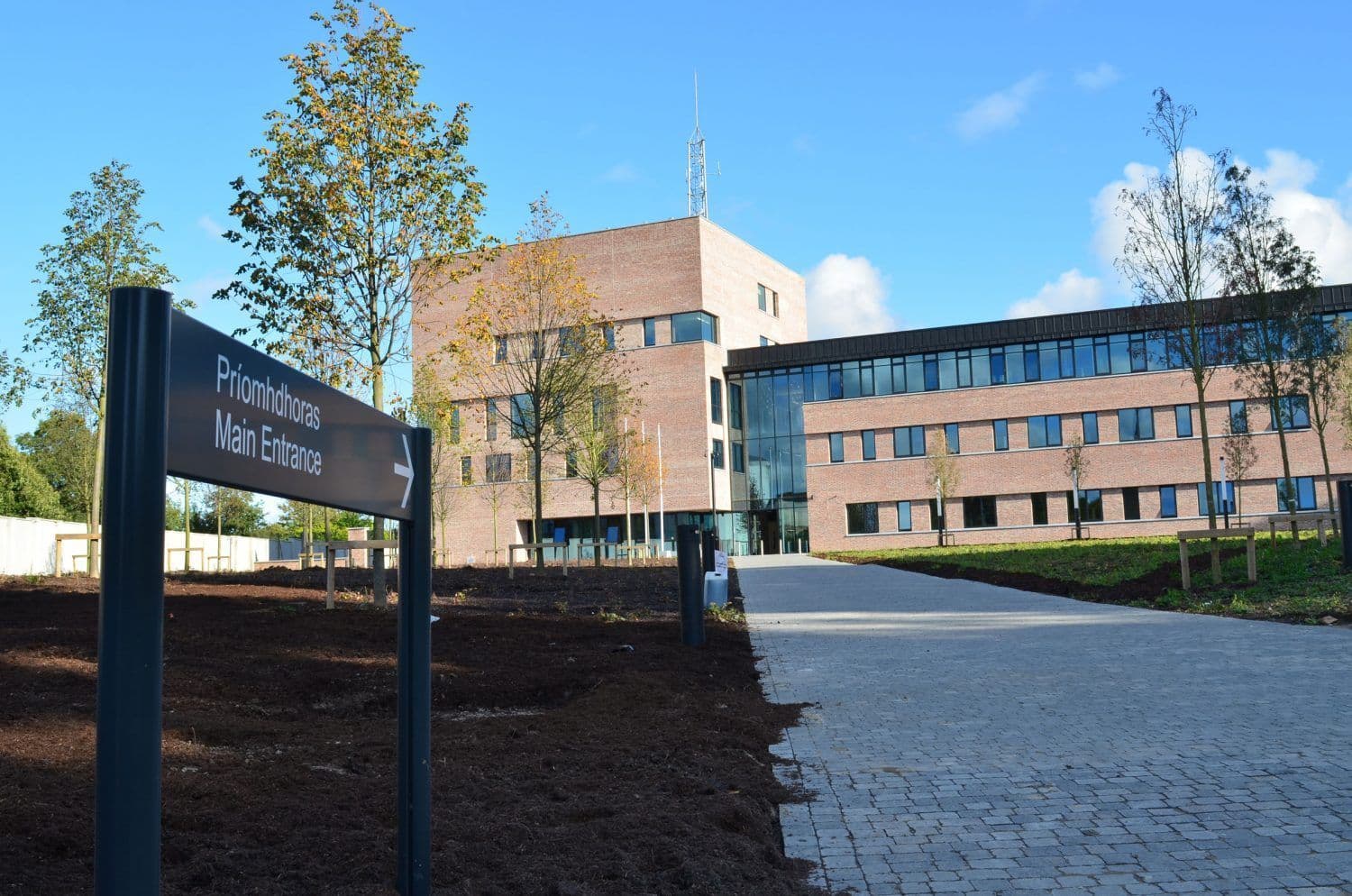
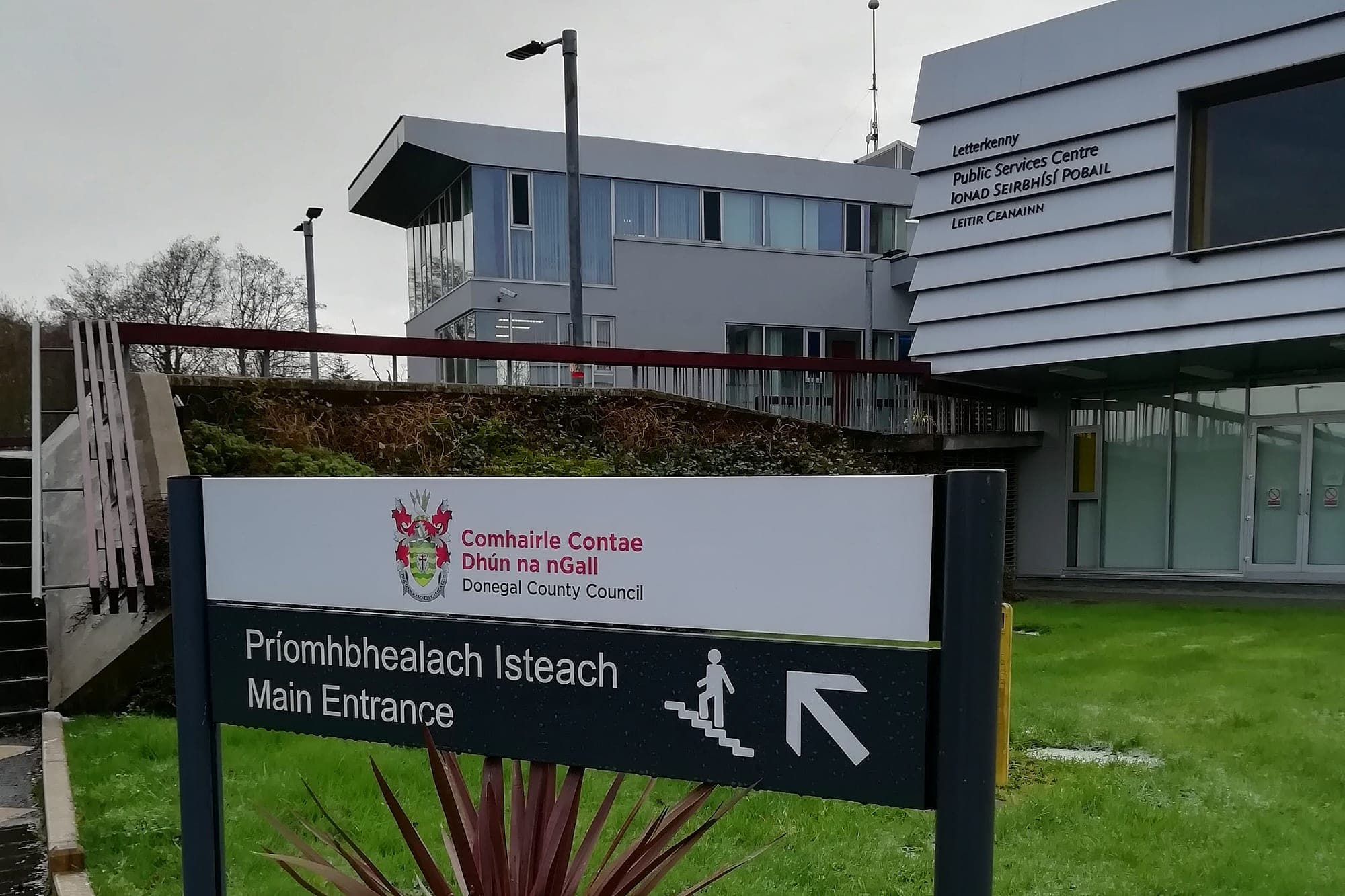
Bilingual Irish and English post-and-panel main entrance sign with the county crest at Donegal County Council's Letterkenny Public Services Centre, with the building's own bilingual lettering on the facade behind

Government, councils & libraries

Wayfinding everyone can follow.

Accessible and certified by default, for the civic buildings, council offices and libraries the public has to navigate.

In short

Public sector wayfinding is signage that lets any member of the public reach the right counter or room unaided, in Irish and English, to Part M. Wayfinders designs, installs and certifies it for councils, civic centres, libraries and Garda stations, and keeps one standard consistent across every site in the estate.

County councils, civic and community centres, libraries and Garda facilities, delivered to the strictest accessibility and inclusive-design standards.

Value for public money, demonstrable compliance, and a track record that stands up to procurement scrutiny.

Years in wayfinding
Nearly 50
Design rounds to approval, on average
1.8
Saved when one supplier carries design to installation
Up to 20%
Warranty on what we install
10-year

01The challenge

What makes public sector wayfinding hard

01

Everybody is the audience

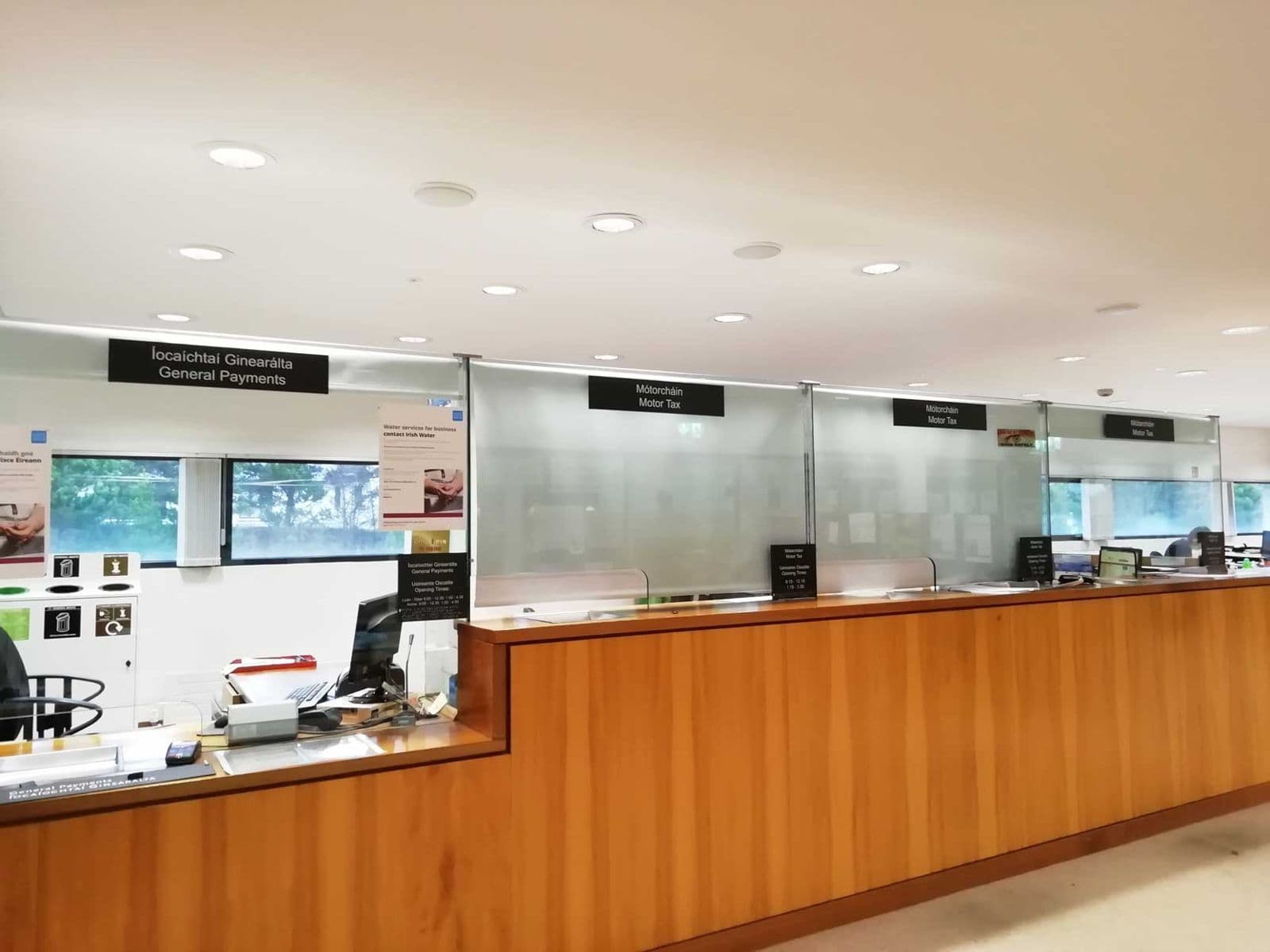
Nobody is inducted into a council office. The visitor might be nineteen or ninety-one, paying motor tax or objecting to a planning application, and may not read English comfortably. Staff are behind a counter, so everything has to be on the wall.

02

Statutory duties private clients don't carry

Public bodies sit inside the Official Languages Act, Part M and the Disability Act 2005. Getting the Irish wrong, or smaller than the English, is a breach rather than a style choice.

03

Consistency across dozens of sites

County estates are signed one building and one budget at a time. Without a written standard, each call-off drifts a little further: a different red, a different crest, a different typeface, until the county looks like five organisations.

04

Procurement and the audit trail

Work is won by tender and drawn down by call-off, and the file has to answer the auditor or access officer years after the people who signed it off have moved on.

02What we deliver

One system, designed to installed and certified

Design, project management and installation by our own teams, with one accountable supplier from first drawings to the signed certificate.

  • Task-led wayfinding for the public

    We sign the task the visitor came to do, in the words they would use. Nobody arrives looking for Corporate Services. At Donegal County Council's Dungloe centre, one external totem lists eight services behind a single door, with opening times in both languages.

  • Official Languages Act compliance, built in

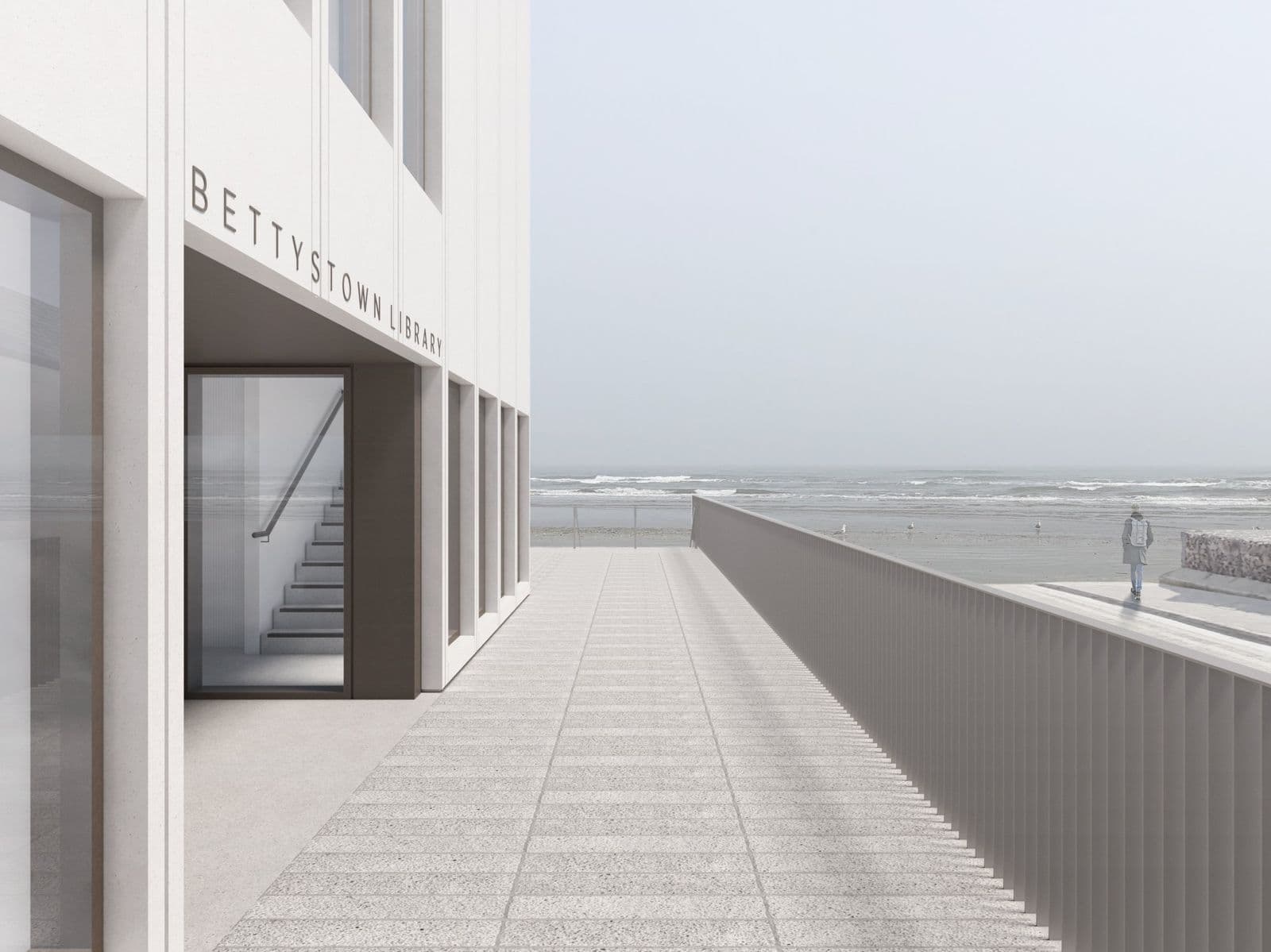
    Irish first, never smaller or less prominent, panels sized for two languages from the first layout and the Irish proofed before manufacture. At Bettystown Civic Centre the floor directories carry Irish and English at equal weight on every level.

  • Accessible and certified

    Part M and BS 8300 as the floor: 30-point LRV contrast, matt finishes, tactile lettering and braille on key rooms, and ISO 7010 escape signage designed from the fire certificate. We sign off the compliance certificates on completion.

  • One standard across the estate

    Crest, typeface, colour, bilingual layout and mounting rules fixed once and written into the technical specification, where every later call-off has to read it. Signs for several sites go out as one production run so the colour matches.

  • Delivery through your procurement route

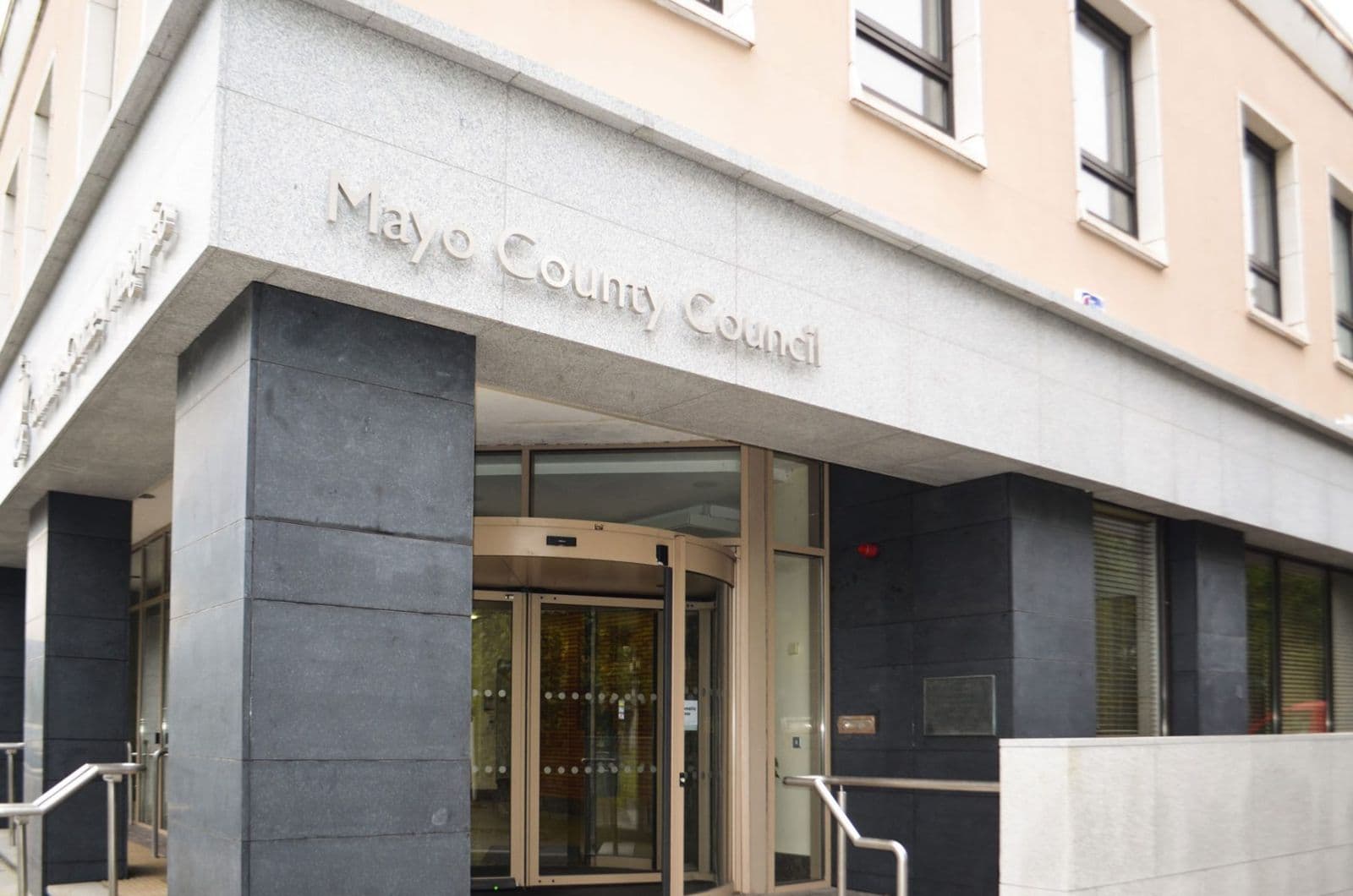
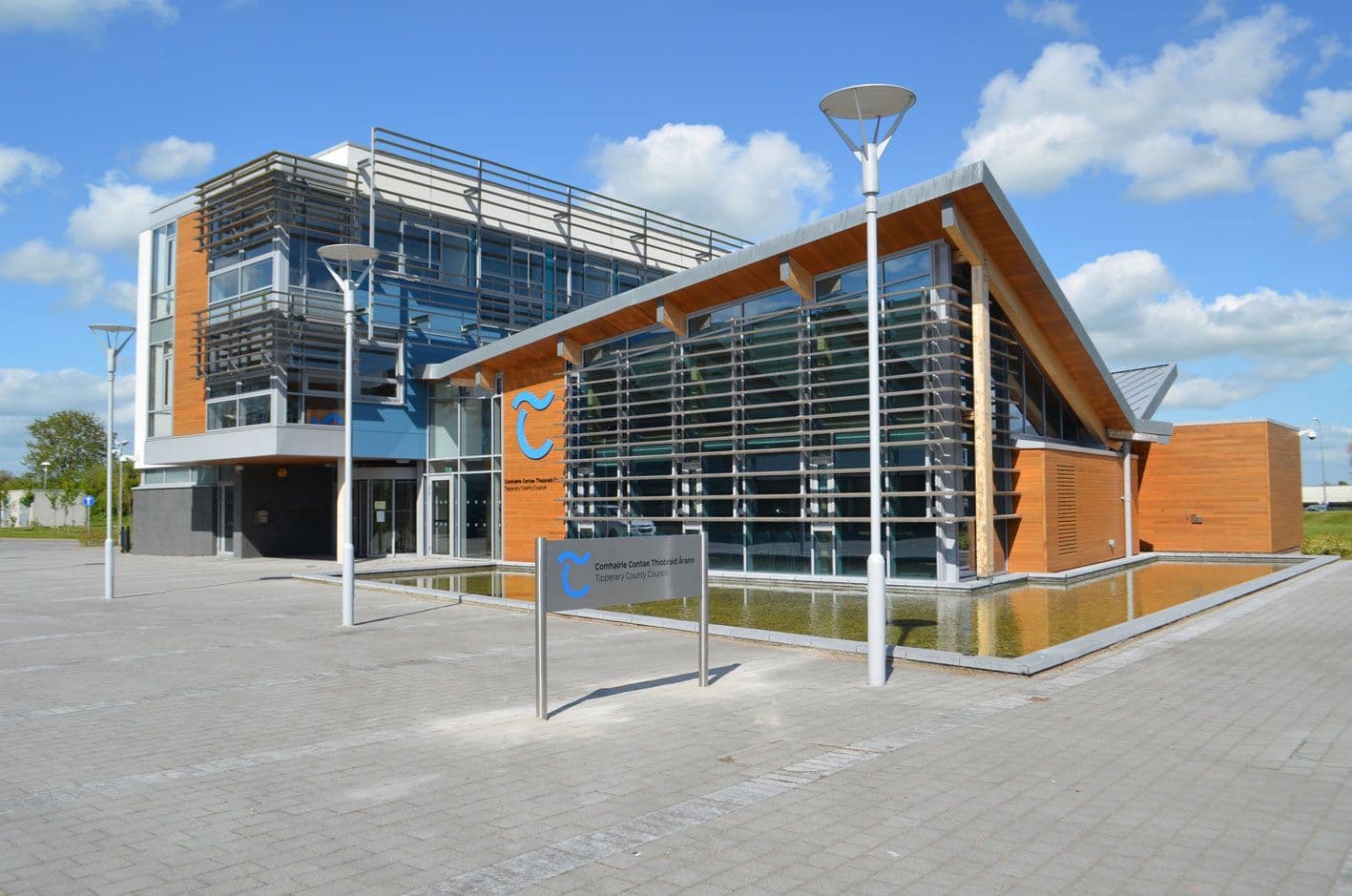
    Competitive tender, framework call-off or through the main contractor on a new civic building. Much of our council work in Mayo, Donegal and Tipperary has been won by tender, and Wexford Garda HQ was delivered with OPW Architects and the main contractor.

  • A record that outlasts the project

    An as-built schedule, certificates and an asset register at handover. When a department moves, the replacement is specified from the record; at Clonmel District HQ the directory is built from changeable slats, so one slat is remade rather than the whole board.

03How we work

Design to certification, with one supplier

Approvals cut from months to days. The same five stages on every project, so nothing falls between packages.

  1. 01

    Design

    A wayfinding system and sign family designed to work with your architecture and identity.

  2. 02

    Wayfinding

    Numbering, floor IDs, lift lobbies, car parks and egress, built for how people navigate.

  3. 03

    Compliance

    Designed to the strictest accessibility and legislative criteria. Certified on completion.

  4. 04

    Manufacture

    Stove-enamelled aluminium and other long-life materials, made to spec or above it.

  5. 05

    Installation

    Our own fitting teams, working to complex construction schedules.

How we work, stage by stage →

04Standards

Compliant by default

The standards and regulations this work is designed to. Compliance is the baseline, not an upsell.

Official Languages Act 2003 (as amended 2021) and S.I. No. 391 of 2008
Irish text first, and never less prominent, visible or legible than the English, nor in smaller lettering. Applies to local authorities, government departments, state agencies and other listed public bodies.
Disability Act 2005
Section 25 requires public buildings to be brought into line with Part M. Clear, accessible signage is part of what the access officer under section 26 relies on.
Building Regulations Part M and TGD M
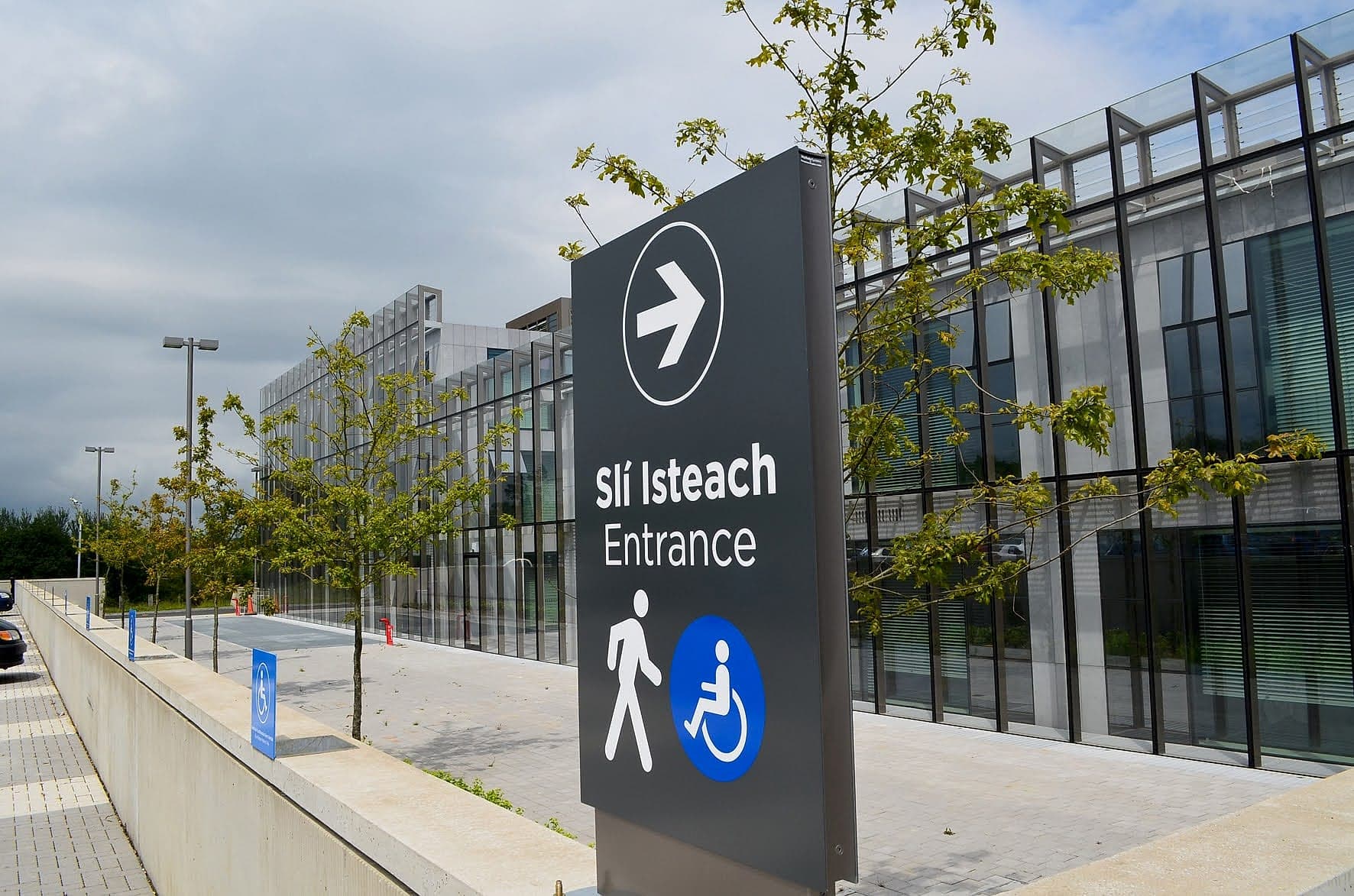
Mixed-case lettering, clear wording, the International Symbol of Access on accessible entrances, and tactile lettering and braille on key rooms.
BS 8300
At least 30 points of LRV difference between text and background, matt finishes under office lighting, and tactile signs in the 1.4 to 1.7 metre band.
TGD B and ISO 7010
Fire safety and escape signage designed from the fire certificate, with standard safety symbols that are never restyled to blend in.
Public Sector Wayfinding

Brochure · 8 pages

Wayfinding everyone can follow.

Accessible, bilingual, certified wayfinding for councils, civic buildings, libraries and Garda stations, delivered estate-wide by one specialist.

06FAQs

Common questions

Something else? Ask us directly.

Does council and public building signage have to be bilingual?

Yes. Public bodies listed under the Official Languages Act must sign in Irish and English, and S.I. No. 391 of 2008 sets the detail: the Irish goes first and must not be smaller, less prominent or less legible than the English. Local authorities, government departments and state agencies are all inside it.

What accessibility standards apply to public buildings?

Part M of the Building Regulations and its Technical Guidance Document set the legal floor, with BS 8300 supplying the detail on contrast, type and mounting height. The Disability Act 2005 then requires public buildings to be brought into line with Part M. We design to all three by default and certify compliance on completion.

Can you work through a public procurement framework?

Yes. We work through competitive tenders, framework call-offs and main contractors, and much of our council work, from Mayo and Donegal to Tipperary, was won by tender. On a framework we recommend writing the signage standard into the technical specification, because it is the one document every call-off must read.

How do you keep signage consistent across many council sites?

With a written standard and one production run. Crest, typeface, colour, bilingual layout and mounting rules are fixed once, and signs for several sites are made together so the colour matches. For Donegal County Council that meant one compliant system across six Public Services Centres spread around the county.

Do you survey our existing signage first?

Yes. We survey each building, record what is already installed and meet the stakeholders on site. The result is an asset register that shows what can stay, what fails Part M or the Official Languages Act, and what to replace first, so a refresh can be priced and phased against capital budgets.

Can you install in a building that stays open to the public?

Yes. Our own install teams work around opening hours, public counters and queues, and phase the work so no entrance or service is left without signage.

What do we receive at handover?

Compliance certificates signed off by us, an as-built schedule of every sign with its location and content, and O&M documentation. Replacements are specified from that record, and the installation is covered by our 10-year warranty.

07Insights

Further reading

All insights →

Government, councils & libraries

Talk to a specialist about your public sector programme.

Approvals cut from months to days, typically around 20% off the wayfinding package, and one supplier from design to installation.