
Signage procurement: through the main contractor, or direct?
Three routes take a wayfinding package from drawing to wall: main-contract, client-direct, novated. Each moves the design risk somewhere different.
Signage procurement is the decision about who holds the signage contract. Three routes are in ordinary use. The package sits inside the main contract as one subcontract among hundreds. Or the client appoints the specialist directly, alongside the building works. Or the specialist is engaged early for design and then novated, or named, to the contractor for supply and installation. The route rarely changes what gets installed. What it changes is who carries the design risk, who absorbs the delay when the building runs late, and who is left holding a statutory obligation nobody priced.
We've delivered projects every one of these ways, on civic buildings, university campuses and build-to-rent blocks, and the pattern is consistent. Signage is a small, late, highly visible package with legal duties attached. Our own preference is the third route, and we set out why below. Whichever one you pick, though, it succeeds or fails on how honestly the interfaces are written down before anybody tenders.
The three signage procurement routes, defined
- Main-contract package. Signage is a work section in the building contract. The contractor tenders it, appoints a subcontractor, coordinates it with the other trades and carries it to practical completion. One contract, one point of responsibility, one set of retentions.
- Client-direct. The client, developer or institution contracts the specialist separately, sometimes as a trade contract running in parallel with the works, more often as an order placed after handover. The client keeps the design conversation and takes on the coordination.
- Novated or named. The specialist is appointed by the client at concept stage for the wayfinding strategy and design, then transferred to the contractor's account for delivery. The design intent survives the tender; the contractor still owns the programme.
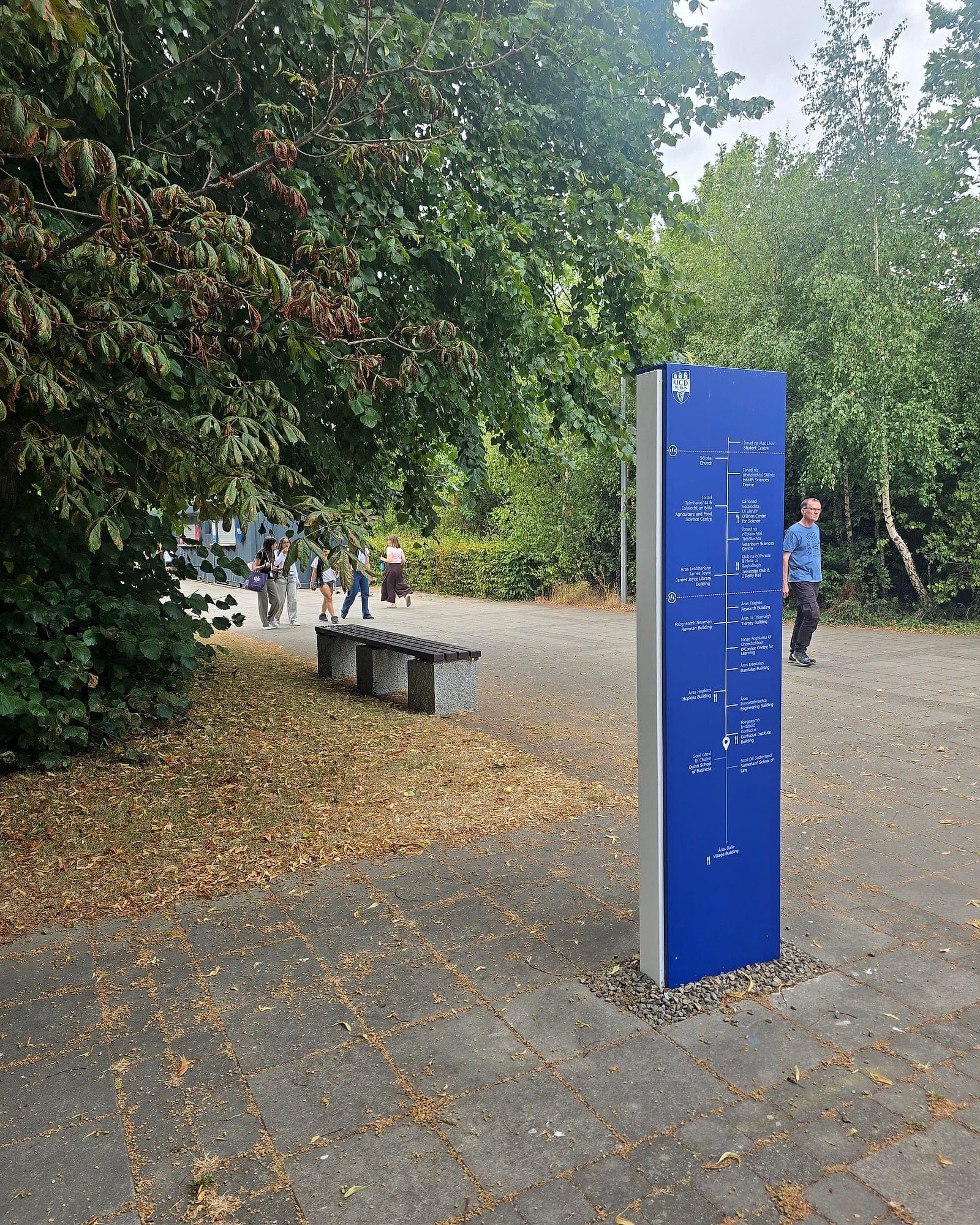
Route one: inside the main contract
This is the default on any project with a live building contract, and for good reason. The contractor holds the programme, controls access, and is already responsible for the walls the signs fix to. If the plasterboard has no pattressing behind it, that conversation happens inside one organisation. Nobody is writing to anybody's contracts department about it.
- For: single-point responsibility. Defects, snags and warranties route through one party, and the client is not managing a trade contractor on a live site.
- For: coordination is contractual, not goodwill. First-fix power, totem foundations and ceiling routes for suspended signs all sit inside the same programme.
- For: the signage completes with the building, so handover documentation is assembled once.
- Against: competition happens on cost, not competence. A signage line in a tender return is a number, and the cheapest number usually belongs to whoever read the specification most optimistically.
- Against: design intent is easy to lose. Substitutions arrive as approved-equal submissions when the design team has little appetite to fight them.
- Against: the client pays preliminaries and main-contractor margin on a package that is mostly specialist manufacture.
Route two: client-direct
Client-direct is the normal route for existing buildings, re-signing programmes and anything that happens after practical completion. It's increasingly the route on institutional new build too, where signage gets treated as an FF&E item and never appears as a work section at all.
- For: the client talks to the people who will make the signs. Naming, bilingual layouts and hierarchy get resolved with the designer, not relayed through a package manager.
- For: no main-contract margin, and no retention held for twelve months on a trade completed in three weeks.
- For: the programme is the client's own. A re-sign can follow department moves, which is the sequence that actually matters to the people in the building.
- Against: the client owns every interface. Pattressing, power, foundations and making-good become variations to somebody else's finished work.
- Against: access, insurance, method statements and out-of-hours working are the client's to arrange, in a building that may already be occupied.
- Against: after handover, signs go up on painted walls and laid paving. Everything is possible; nothing is cheap.
Client-direct buys you the design conversation and sells you the interfaces.
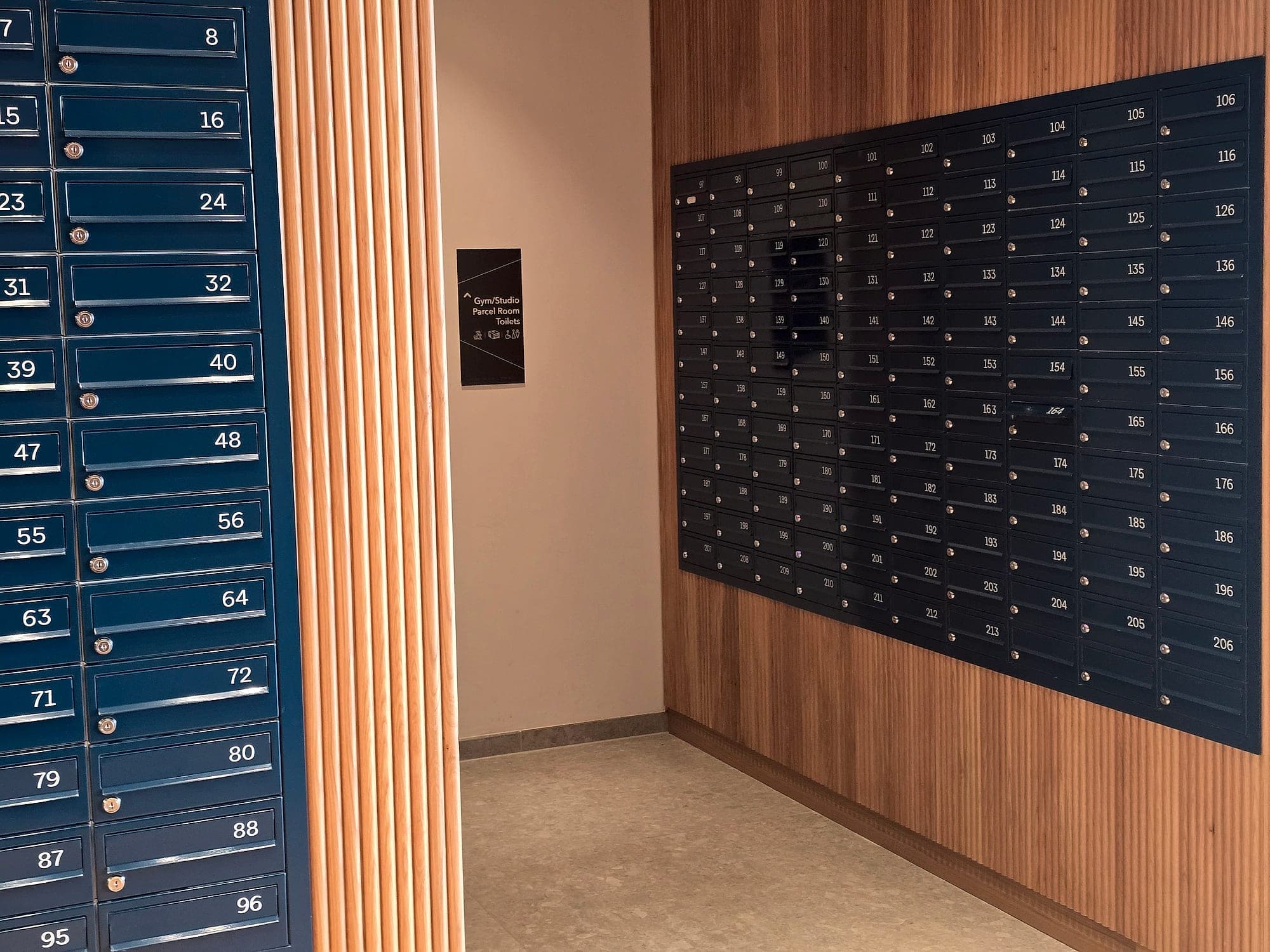
Route three: novation, or a named specialist
The third route exists because the first two each sacrifice something. Novation keeps the strategy work early, with the client and the design team, then hands delivery to the contractor who controls the site. Naming a specialist achieves much the same without a formal transfer: the specification names the supplier, or a short list, and the contractor prices and manages them.
It's the route we recommend on any building large enough to need a wayfinding strategy. Naming, zoning and the destination schedule all get settled while they're still cheap to change, on paper, and the contractor inherits a package that is genuinely priceable. Changing your mind about a zone name costs an afternoon at that stage. It costs a sheet of aluminium later. The trade-off is administrative: novation agreements need drafting, and the contractor will reasonably want to review the design before accepting it.
Who carries the design risk
This is the question the route actually settles, and the one most often left implied. Signage carries statutory duties in three directions at once, and each has to sit with a named party.
- Accessibility. Technical Guidance Document M asks for signage that is clear and concise, discourages text set entirely in capitals, and looks for tactile and braille information at key locations; BS 8300 carries the detail on character height and on 30 or more points of light reflectance value contrast. Write whose duty it is to certify that into the contract, not into a covering email.
- Fire and escape. Escape route signage and fire equipment identification belong to the fire strategy under TGD B, with symbols to I.S. EN ISO 7010 and illuminated units coordinated with the emergency lighting design. Statutory fire signage and wayfinding are usually separate scopes. Say who supplies which, or each will assume the other did.
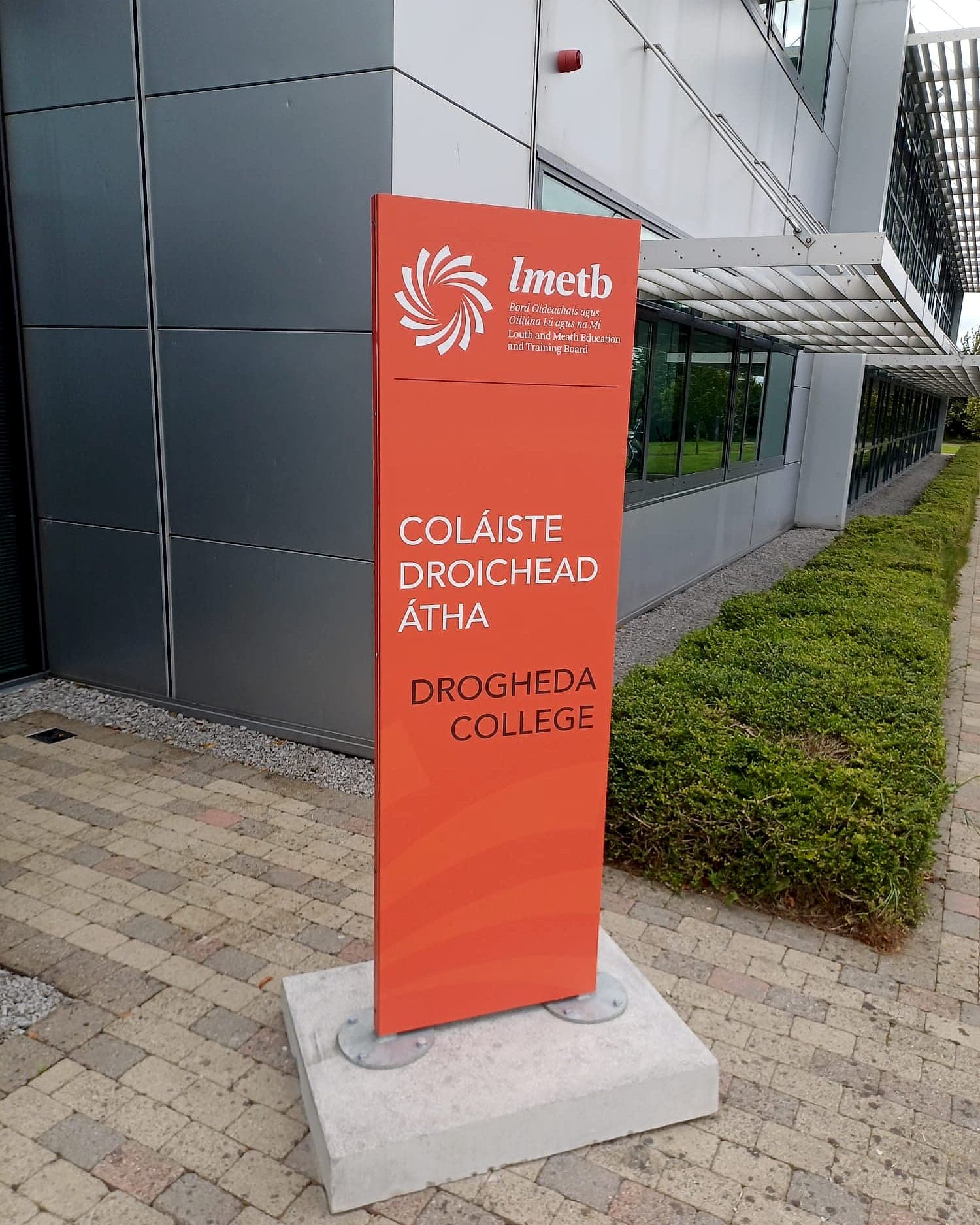
- Language. Where the client is a public body in Ireland, the signage regulations made under the Official Languages Act require the Irish text to appear first and to be no less prominent and no smaller than the English. That's a layout constraint before it is a translation task, so it changes panel sizes, and with them the price.
- UK residential. In England, the Fire Safety (England) Regulations 2022 require wayfinding signage visible in low light, identifying floor and flat numbers, in blocks of flats with a storey over 11 metres. The duty falls on the building's responsible person, whatever the construction contract said.
A clause reading "to comply with all relevant standards" transfers nothing useful. Name the standards, name the certifier, name the handover documents. Everything we supply is made to Part M and BS 8300 by default, and we certify on completion, but a certificate is only ever worth what the contract asked for.
The interfaces that decide the outcome
Every expensive signage problem we are called to fix is an interface problem, and the signage procurement route determines who pays to solve it. Six recur:
- Pattressing behind plasterboard for anything heavier than a few kilos. Trivial before first fix, an intrusion afterwards.
- Foundations and ducts for external totems and fingerposts, poured before the paving is laid. Cutting them out afterwards means making good, and making good never quite matches.
- Power, data and isolation for illuminated units, located to the millimetre and visible for the life of the building if it is wrong.
- Door leaf construction and ironmongery, where door signage, occupancy indicators and numbering all land on somebody else's product.
- Making-good: who repaints, who reinstates paving, and who owns the mismatch when they do.
- Programme and access. Signage is one of the last trades in; if the building slips, the signage window compresses while the completion date does not move.
- ~20%
- typical saving when design, compliance, manufacture and installation are procured end-to-end rather than in fragments
- Days
- not months, for approval cycles when sign artwork is reviewed and signed off in our own software
- 10 yr
- warranty we carry on what we supply, a duty that survives whichever route the package was bought through
When each route is right
There is no universally correct answer, but there is usually an obvious one.
- New build with heavy external elements or illuminated signage: main contract, ideally with the specialist named. The foundations and the first-fix power decide it.
- New build where wayfinding is strategically important, meaning a hospital, a campus or a civic building: appoint the specialist early and novate. The naming work has to happen before the contractor is on site.
- Existing buildings, re-signing and estate-wide rollouts: client-direct, every time. There is no contractor to route through, and the client's own programme sets the sequence.
- Phased residential and build-to-rent: main contract for the base build, client-direct for the changes that follow letting. Expect both, and specify modular types that let panels change without new carriers.
- Small refits and single buildings: client-direct. The coordination burden is small and the margin saving is real.
In the end, signage procurement matters less than sequence. A package bought late, through any route, is priced on assumptions, and the assumptions are what cost money. Because we hold strategy, design, compliance, supply and installation in one contract, we can slot into whichever route a project has chosen and put a price on the interfaces themselves.
Working out how to buy a signage package, or trying to rescue one bought the wrong way? Talk to us early, while the route is still a decision somebody can take.
Planning a wayfinding project? Talk early, while the big decisions are still cheap.